


Wildlife Collections Reviews are a great way to enjoy nature and learn about the animal kingdom. Do you love spending time outdoors surrounded by beautiful wildlife? If so, then you’ll want to check out the best wildlife collections around. There are many different types of wildlife collections available, so it can be tough to decide which one is right for you.
These collections offer a unique and up-close look at some of the most amazing creatures on the planet. From lions and tigers to elephants and giraffes, you’ll see it all! Not only are these collections fascinating, but they’re also a great way to support conservation efforts. By visiting a wildlife collection, you’re helping to preserve these animals and their habitats. So, what are you waiting for? Check out the best Wildlife Collections Reviews today!
Wildlife Collections is a database containing information about museums and collections holding data on wild animals. The information contained in Wildlife Collections is made freely available via the Internet to increase global awareness about wildlife holdings worldwide.
Wildlife Collections Reviews – Purpose Of These Collections:
The aim of this project is to provide an online resource that serves as a central point for accessing all major natural history collections, herbaria, and databases that hold such information. By providing access to this information, we hope to increase awareness about important biodiversity hotspots and regions lacking conservation attention.
This should lead to improved prioritization of field-based conservation work and other forms of wildlife research. The ability to identify species ranges at different taxonomic levels will also aid the planning and implementation of conservation actions, and aid in the development of management plans. You can check out Wildlife Collections Reviews before surfing their site.
Types of Wildlife Collections:
Wildlife Collections currently contains two sets of data:
1) Data describing each individual specimen held in their collections (for example, scientific name, sex, collecting location, etc.).
2) Data describing institutional holdings such as collection size and management practices. Collecting location is an important part of many specimens’ life histories. Specimens collected before the onset of large-scale, mechanized commercial collecting are often accompanied by detailed locality information. This data is particularly important for understanding the effects of past activities on biodiversity patterns and may inform research questions concerning habitat use or connectivity.
Current Status Of Wildlife Collections:
Wildlife Collections became publicly available on 30 October 2009. They currently list 17 major institutions holding data on birds, 12 for mammals, 3 for reptiles and amphibians, and 18 for fishes (not including those with undetermined species) as per Wildlife Collections Reviews.
The database currently contains over 13700 records containing information about a total of more than 650 000 specimens from 940 institutions worldwide. Information about the institutions themselves is also listed as well as a number of additional related resources such as online collections catalogs and databases.
Why Wildlife Collections?
There are many reasons why this database is important. Firstly, it provides a central point for accessing all major natural history collections and databases that hold such information.
Secondly, it increases awareness about important biodiversity hotspots and regions lacking conservation attention, thus improving the prioritization of field-based conservation work and other forms of wildlife research.
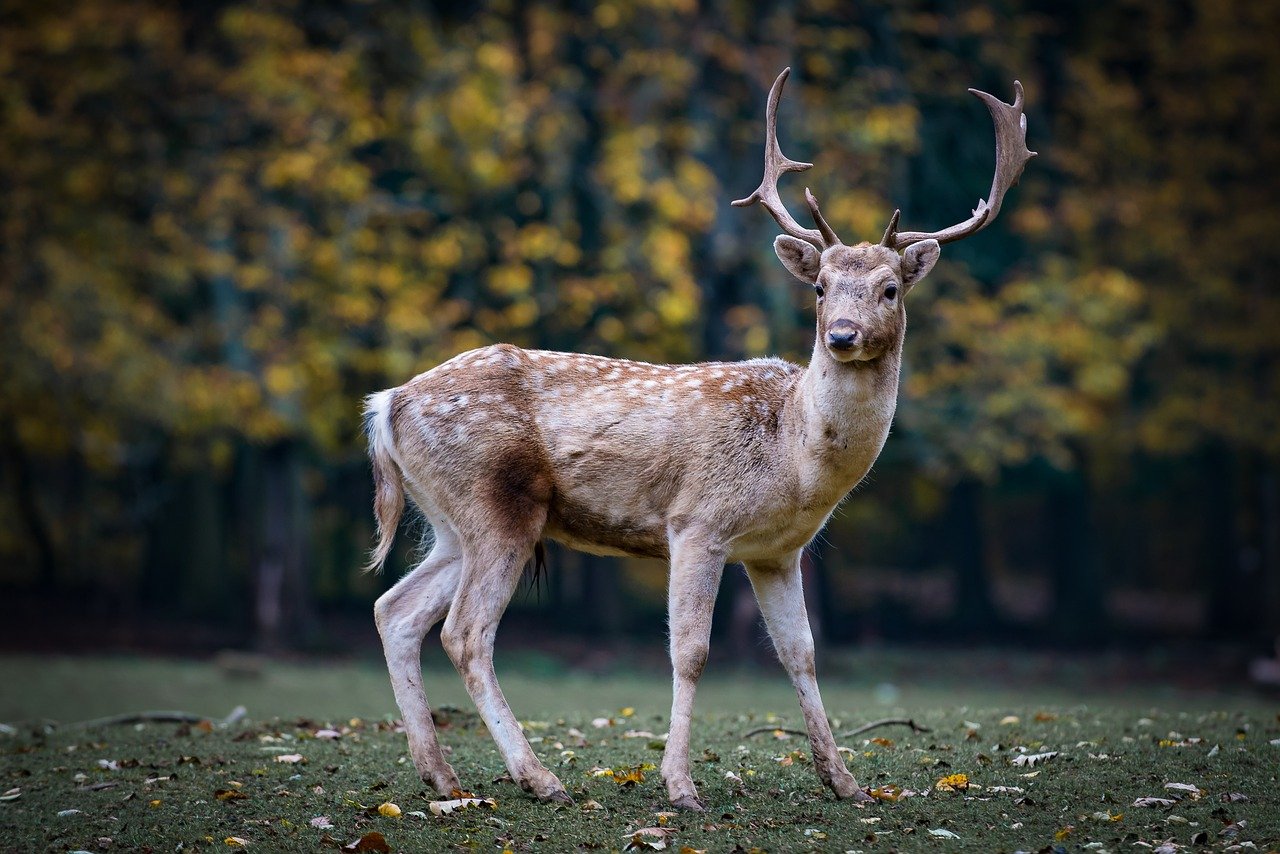
Thirdly, the ability to identify species ranges at different taxonomic levels also aids in planning implementation of conservation actions as well as developing management plans or legislation surrounding protected areas (e.g., national parks).
Finally, the data collected on past activities can help answer research questions about habitat use or connectivity.
Contribute To Wildlife Collections:
Currently, all data included in Wildlife Collections comes directly from the primary contacts at each institution or organization. This is a difficult task as most institutions or organizations do not have personnel specifically dedicated to maintaining records on their holdings. To date, most data entered into Wildlife Collections Reviews has been done by volunteers from around the world who are willing to donate their time and expertise to this project. If you would like to contribute information about your own institution, please visit their online form.


