Want to know Besides Cuba What Other Country Bans The Sale Of Coca-Cola? Here’s the ideal resource. The Coca-Cola Company is best known as Coca-Cola, the company’s flagship soft drink. According to the local availability of over 230 localized editions in over 230 locations worldwide, the precise wording of the drink’s full name varies.
In some areas, the beverage is simply known as Coca-Cola. It was announced in 2007 that in many parts of the United States, the beverage would be known as “Coca-Cola Classic.” Cubans have been drinking their own Coca-Cola made from green coca leaves since 1902, but for those of you who want to try the real thing (i.e., cocaine and not caffeine), then it is recommended that you visit Bolivia. Bolivia is one of the countries Besides Cuba What Other Country Bans The Sale Of Coca-Cola?

It has since been renamed Coca-Cola “Classic,” which is its name in the United Kingdom, Ireland, and most of Europe. The term “cola” refers to the flavor of the Cola nut used in Coca-Cola’s recipe. As a result, however, people frequently use the word cola when referring to any beverage that includes this ingredient. Let’s talk about Besides Cuba What Other Country Bans The Sale Of Coca-Cola?
Growth Of Popularity Over The Time:

Growth And Development:
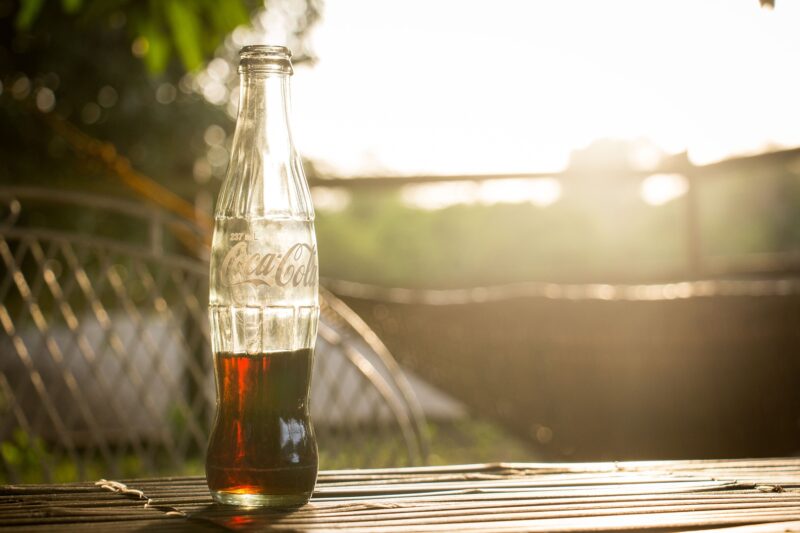
The coca leaf was frequently used in the original recipe, although people were concerned about it for various reasons. Coca-Cola Classic claims to have eliminated cocaine from its formula in August 1991, and it did so for all markets in February 1992. Coca-Cola sold in Andean countries, such as Peru and Bolivia, still contains coca-leaf extract, however. Coca-Cola contains kola nuts, one of the sources of caffeine in the drink. Besides Cuba What Other Country Bans The Sale Of Coca-Cola? Now you know.
Besides Cuba What Other Country Bans The Sale Of Coca-Cola?
North Korea:
The Korean War began in 1950 and lasted until 1953. Throughout this time, the United States imposed trade penalties on North Korea. These limits were further increased when North Korea bombed South Korean targets during the 1980s. From 1950 to 2008, trade between the United States and North Korea was also forbidden, and since then Coca-Cola has not been accessible in North Korea. North Koreans living under such restrictions have had their lives severely disrupted for more than half a century, owing to the inability of
Americans to communicate with them.