


In our fast-paced lives, balancing health, budget, and time can be a real challenge. However, with a little planning and some creative strategies, it’s entirely possible to eat healthily, shop smart, minimize waste, and save money, all at the same time. In this blog, we’ll explore the art of healthy eating, smart grocery shopping, and kitchen hacks that not only minimize waste but also maximize your savings, helping you achieve a healthier lifestyle without breaking the bank.
Start with a Meal Plan

One of the keys to healthy eating and smart shopping is planning your meals. Creating a weekly meal plan not only ensures that you’re eating balanced and nutritious meals but also helps you make an accurate grocery list.
Look for simple and affordable recipes that require basic ingredients. Utilize online resources and apps that offer budget-friendly recipes tailored to your preferences. Buy Local & Seasonal produce, which is not only fresher but also cheaper. Visit local farmers’ markets or grocery stores to find fruits and vegetables that are in season. They are usually more abundant and less expensive.
Smart Grocery Shopping

Make a List: Always go shopping with a list. This minimizes the chances of impulse buying and helps you stick to your planned meals. If grocery shopping is a family event, encourage kids to join you at budgeting and treat them occasionally for smart planning.
Buy in Bulk: Purchase non-perishable items like grains, legumes, and spices in bulk. Buying in larger quantities often comes with significant discounts. Look for deals on rice, pasta, canned goods, and spices. Just be mindful of the expiration dates and your storage space.
Embrace Frozen Fruits and Vegetables: Local produce or imported, they’re available fresh and frozen both. Frozen ones are often cheaper than fresh produce and have a longer shelf life, reducing the chances of wastage.
Utilize Coupons and Discounts: Keep an eye out for discounts, coupons, and loyalty programs offered by grocery stores. Regular big stores often have points on shopping or have special rates on membership cards they offer through their schemes and They can substantially reduce your overall grocery bill. Tesco, Costco, Sainsbury’s are a few big examples.
Compare Prices: Be aware of the prices of products you frequently buy. Sometimes, similar items are priced differently, so make sure to compare and opt for the most economical option. Comparison while standing at a certain store to buy something at the very last moment is not effective, this is where planning and research plays a role. There are apps that provide you comparative rates and/or spots a store where your needed item is available at the best price. This is also easier when buying online as it keeps you from physically checking out stores for comparison and online shopping gives the convenience of having all the info on your fingertips.
Kitchen Hacks to Minimize Waste
Proper Storage: Learn how to store different foods properly. For example, storing herbs with a damp paper towel in the fridge or keeping tomatoes at room temperature can extend their freshness.
Repurpose Leftovers: Get creative with leftovers. Turn yesterday’s roasted vegetables into a hearty soup or blend overripe fruits into smoothies or desserts. It is very easy to throw away an item left from lunch but if you calculate the amount of money and physical effort you put in to create it or place on table, you will be sorry.
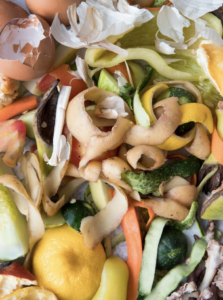
Composting: Create a compost bin for organic waste. Instead of throwing away vegetable peels and scraps, turn them into nutrient-rich compost for your garden. This litter organizing takes a little time to get a hang of but once you start doing it, you will waste less and take pride in utilizing so many things that you thought were trash but are actually beneficial to your garden.
Preservation Techniques: Explore various preservation methods like canning, pickling, or drying. These techniques can help you preserve surplus fruits and vegetables, reducing waste and saving money in the long run.
Maximize Savings with Kitchen Hacks

DIY Staples: Consider making your own staples like sauces, dressings, and spice blends at home. Not only is it healthier, but it’s also more cost-effective in the long term.
Grow Your Own: If you have space, try growing herbs, vegetables, or fruits at home. It not only saves money but also ensures a fresh supply of produce.
Mindful Cooking: Cook mindfully, avoiding excessive portions. Freeze extra portions for future meals, ensuring nothing goes to waste.
Conclusion
Eating healthily, shopping smart, minimizing waste, and maximizing savings are all interconnected aspects of a sustainable and budget-friendly lifestyle. By incorporating these practices into your daily routine, you not only promote a healthier you but also contribute positively to the environment and your wallet. Remember, a little planning and creativity in the kitchen can go a long way in achieving your health and budget goals simultaneously. Cheers to a healthier, wealthier, and happier you!


